STUDENT ACTIVITIES
Student activities at Imperial College of Engineering form an integral part of the educational experience and play a significant role in the overall development of students. The institution firmly believes that engineering education is not limited to classrooms and laboratories alone, but is enriched through active participation in co-curricular, extracurricular, technical, cultural, sports, and social activities. These activities help students develop confidence, leadership qualities, teamwork, creativity, and a strong sense of social responsibility.
The college provides a vibrant and inclusive environment where students are encouraged to explore their interests, talents, and potential beyond academics. Various student-led clubs, associations, and committees function under the guidance of faculty coordinators, creating opportunities for students to take initiative, organize events, and work collaboratively. Through these platforms, students gain practical exposure to planning, coordination, communication, and decision-making, which are essential skills for professional and personal success.
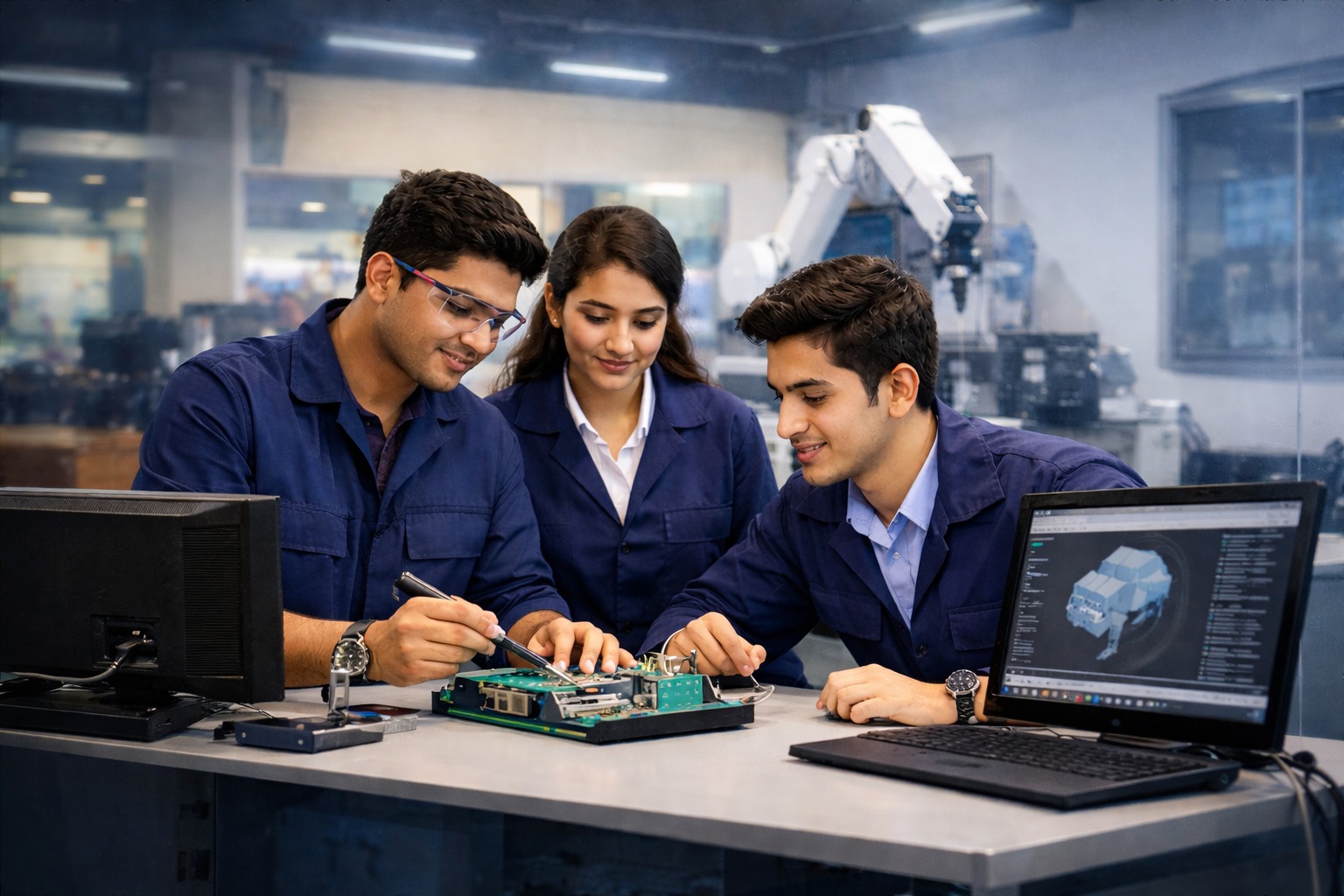
Technical activities form a core component of student engagement at Imperial College of Engineering. Students actively participate in technical clubs, workshops, seminars, project exhibitions, hackathons, and intercollegiate competitions. These activities promote innovation, problem-solving, and application of theoretical knowledge to real-world engineering challenges. Technical events also encourage peer learning, creativity, and exposure to emerging technologies, preparing students to meet industry expectations with confidence.
Cultural activities add vibrancy to campus life and provide students with a platform to express their creativity and individuality. The institution regularly organizes cultural programs, festivals, annual gatherings, and talent showcases that celebrate diversity, tradition, and unity. Participation in cultural activities helps students develop self-expression, stage confidence, teamwork, and respect for cultural values, contributing to a well-rounded personality.
Sports and physical activities are strongly encouraged to promote physical fitness, discipline, and a spirit of healthy competition. Students participate in indoor and outdoor sports events, athletic meets, and intercollegiate tournaments. Sports activities instill qualities such as perseverance, leadership, teamwork, and resilience, which are essential both in professional life and personal growth.
Imperial College of Engineering also places strong emphasis on social and community-oriented activities. Students are encouraged to participate in social awareness programs, community service initiatives, environmental campaigns, and outreach activities. These initiatives help students understand societal issues, develop empathy, and cultivate a sense of responsibility toward the community and nation. Through such engagement, students learn the importance of ethical conduct, citizenship, and contributing positively to society.
Student representation and leadership are promoted through student councils and class representatives, providing students with a voice in institutional activities and decision-making processes. This participative culture nurtures leadership skills, accountability, and mutual respect between students and faculty, creating a supportive and transparent academic environment.
Overall, student activities at Imperial College of Engineering are designed to complement academic learning and prepare students for life beyond the campus. By encouraging active participation, creativity, leadership, and social engagement, the institution ensures that students graduate not only as skilled engineers but also as confident, responsible, and socially conscious individuals ready to face the challenges of the professional world.