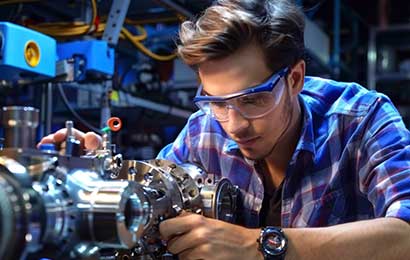
The Activities at Imperial College of Engineering are designed to ensure the overall development of students beyond academics. The institution strongly believes that learning extends outside the classroom, and therefore encourages participation in technical, cultural, sports, social, and leadership activities that enhance personality, creativity, and teamwork.
Technical activities form an integral part of campus life. The college regularly organizes technical fests, coding competitions, project exhibitions, robotics workshops, guest lectures, industrial visits, and skill development programs. These activities provide students with practical exposure, industry interaction, and opportunities to showcase their innovation and technical expertise.
Cultural activities play a significant role in nurturing creativity and confidence. Annual gatherings, cultural festivals, traditional celebrations, talent shows, debates, and art competitions allow students to express their talents and celebrate diversity. Such events strengthen teamwork, communication skills, and leadership qualities.
Sports and physical activities are actively promoted to ensure physical fitness and team spirit. Students participate in intercollegiate tournaments, indoor and outdoor sports competitions, fitness drives, and annual sports events. These activities promote discipline, determination, and healthy competition.
The college also emphasizes social responsibility through community engagement programs, awareness campaigns, environmental initiatives, blood donation drives, and rural outreach activities. Students are encouraged to actively contribute to society and develop a sense of responsibility toward national development.
Entrepreneurship development programs, innovation challenges, and startup mentoring sessions are conducted to encourage students to think creatively and develop business ideas. Soft skills training, personality development workshops, and placement preparation sessions further enhance career readiness.
Through diverse and dynamic activities, Imperial College of Engineering ensures that students graduate not only with strong technical knowledge but also with confidence, leadership abilities, ethical values, and a well-rounded personality ready to excel in professional and social life.


Curriculum aligned with emerging technologies, AI, and industry.
Strong emphasis on hands-on projects, research, and problem-solving.
Dedicated focus on artificial intelligence, data-driven learning, and automation.
Practical training, internships, and career-readiness programs.
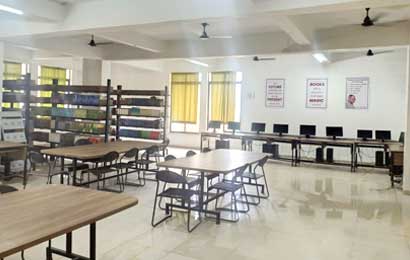
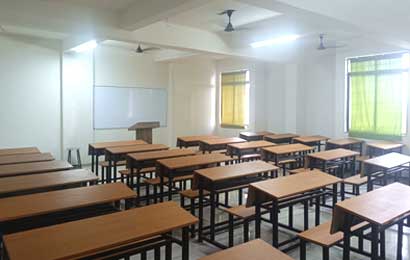
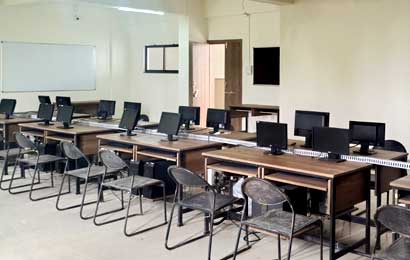
Modern laboratories, smart classrooms, and learning resources.
Qualified educators with academic and industry expertise.
Equal focus on technical skills, soft skills, and professional ethics.
Structured guidance to help students transition from campus to industry.

Imperial College of Engineering gave me more than just a degree. The practical labs, supportive faculty, and placement training helped me build confidence and real technical skills. I feel industry-ready today.”.

The learning environment at Imperial College is very positive. The hands-on projects, workshops, and guidance from professors helped me understand complex concepts easily and practically.
The workshops and laboratories are well-equipped, and the teaching approach is very practical. The college focuses on skill development, which helped me during internships and interviews.